Cloud phones explained
What is a cloud phone system?
And how to tell whether you need one. If someone told you to “move to VoIP” without explaining it, here’s the plain version.
The short answer
The box on your wall moves to a data center.
Your phone system lives in a box on a wall today. A cloud phone system moves that box to the provider’s data centers and delivers calls over your internet connection instead of copper lines.
VoIP means Voice over Internet Protocol: your voice travels the way your email does. UCaaS is the industry’s word for the packaged version: calling, texting, video and voicemail as one monthly subscription per person.
The provider runs and updates the system.
Desk phone, laptop and cell ring on the same extension.
Instead of buying a system and nursing it for fifteen years.
Not a service call and a card order.
What doesn’t change: your phone numbers. Porting moves them as they are.
What has to be true
Five things your office needs for calls to sound right.
A call uses roughly 100 Kbps each way. Twenty calls at once is about 2 Mbps. Almost any business connection handles that.
Video can buffer; a phone call can’t. If calls go choppy when someone uploads a big file, that’s a prioritization problem, and it’s fixable with the right switch and gateway settings.
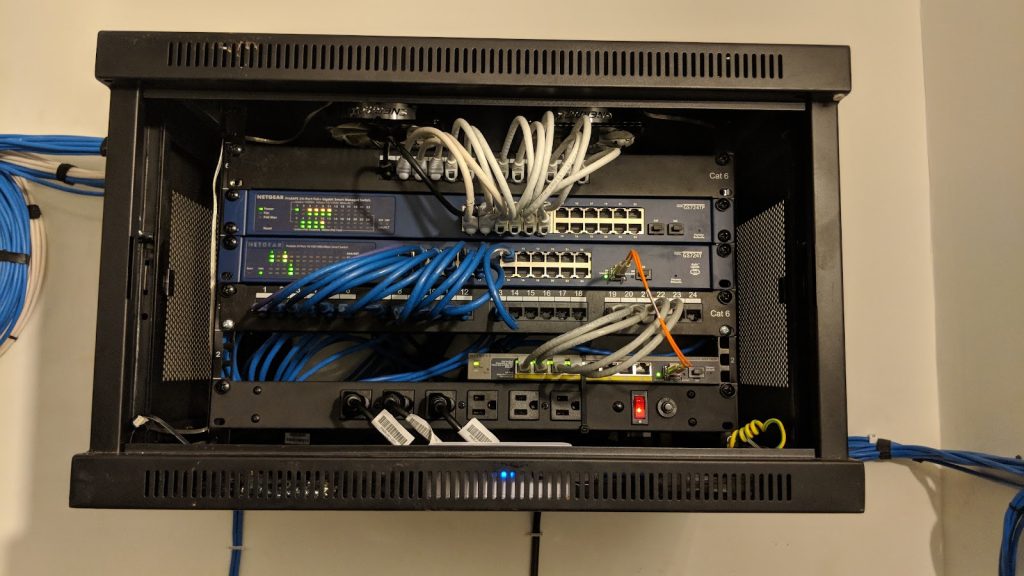
Desk phones are powered through the network cable. Your switch has to supply it.
Cat5e or better. Old Cat5 sometimes works and sometimes doesn’t, and you want to know before cutover day.
A second line or cellular backup on the gateway, and calls set to forward to cell phones automatically if the office goes offline.
Straight answer
When you shouldn’t move yet.
- Your business stops when the phones stop and you have one internet line with no backup. Fix the connection first, or build backup into the project.
- You’re mid-contract with real termination fees. The math may say wait, and we’ll tell you the date to revisit.
- You’re a very small office and the line you have does the job.
Where moves usually go wrong: nobody inventoried the analog devices, the port was an afterthought, the call flow came from a template, and nobody trained the staff. How we avoid all four →